Baking is an art form that can be both enjoyable and rewarding. Not only does it provide us with a delicious treat to share with our friends and family, but it can also teach us valuable life skills. Learning how to bake a cake requires patience, concentration, and problem solving skills – all of which can be applied in other areas of life. In this article, we explore some of the benefits of learning how to bake a cake, from developing motor skills to honing your focus and creativity. So forget about buying store-bought cakes – why not give baking a go and see what delicious surprises await you?
What is baking?
Baking is an art form that involves transforming simple ingredients into delicious and beautiful creations. It requires patience, accuracy and skill to create delectable treats such as cakes, cookies, muffins and pies. The process of baking helps develop motor skills, language development and cognitive skills. It also encourages problem solving through the understanding of measurements and recipes. Learning how to bake can be done through online courses, verbal instructions or by following basic instructions from cookbooks or recipe websites.
Baking is a great way to spend time with friends and family, creating fond memories that will last a lifetime. With the right kitchen equipment and appliances – plus some basic kitchen skills – anyone can become a master baker in no time! Not only does baking provide us with delicious treats but it also gives us a sense of achievement when we get it right. So why not take advantage of the perfect time to learn how to bake and start making some mouth-watering creations today?
Baking is a rewarding activity that can bring joy to both the baker and those around them. With the right tools, skills and patience, anyone can become a master baker in no time! So why not grab your mixing bowl and measuring spoons and let’s get baking! And if you’re ready for something even more challenging, you won’t want to miss out on the Benefits of learning how to bake a cake!

Benefits of learning how to bake a cake
Baking a cake is more than just an enjoyable activity – it also provides an array of valuable benefits. Learning how to bake can help improve everyday activities such as food preparation and problem solving, while providing essential life skills. Taking baking courses or following step-by-step instructions from cookbooks or recipe websites can make the process easier and more enjoyable. Baking is great for spending time with friends and family, as it encourages cooperation and communication while creating fun memories. Furthermore, when baked goods are successfully made, there is a sense of achievement that comes with it.
In addition to the many benefits of baking, it also helps in developing motor skills, language development and cognitive skills due to the accuracy required in measurements and recipes. It is also an excellent way to get creative by experimenting with different flavors and decorations. With the right kitchen appliances and equipment, anyone can become a master baker in no time! So why not take advantage of this perfect opportunity to learn how to bake a delicious cake today?
Baking is a great way to not only bring people together, but to also learn valuable skills that will benefit you in life. So why not give it a try? With the right tools and guidance, you can become a master baker in no time! And if you want to take your baking skills even further, check out the next section for more on Motor Skills Development.

Motor Skills Development
Motor skills development is an essential part of learning how to bake a cake. From following verbal instructions to measuring ingredients precisely, these activities help develop motor skills in children and adults alike. With this comes the confidence to take on more complicated tasks within the kitchen, such as shaping dough or sifting flour. Furthermore, mastering these techniques can help with developing coordination and fine motor skills, resulting in improved hand-eye coordination and agility.
The key to successful motor skill development is practice. In order to become a master baker you must be willing to put in the time and effort needed for learning and refining techniques over time. Other than practicing with baking equipment, there are plenty of other activities that can promote motor skill development such as drawing, colouring or playing sports like badminton or basketball. Whatever you choose to do, remember that practice makes perfect!
Baking can be a really enjoyable and rewarding activity, as it provides an opportunity to practice and refine motor skills while having fun! With persistence and patience, you can become a master baker in no time. So why not give it a try? And stay tuned for the next section, where we look at how baking can impact on motor skills development.
How baking can impact on motor skills development
Baking is an activity that can have a great impact on motor skills development. From measuring ingredients precisely to following instructions, baking requires the use of both fine and gross motor skills. As such, it’s a great way to develop hand-eye coordination and agility, as well as build confidence in the kitchen.
Through regular practice and refinement of techniques, the process of baking can help develop problem solving and decision making skills, while also requiring patience and focus. This encourages language development as bakers must read recipes carefully while learning how to follow instructions properly. Furthermore, there is a sense of achievement associated with successfully creating delicious cakes or breads which can be really rewarding for children or adults alike.
Finally, baking provides an opportunity for spending quality time together with family members or friends; this helps create memories that will last a lifetime and teaches people valuable life skills along the way. All in all, baking is not only an enjoyable activity but also an essential life skill that should be encouraged from a young age.
Practical application of these motor skills in everyday activities
The practical application of motor skills developed through baking can be seen in everyday activities. For instance, having the ability to accurately measure ingredients while following instructions helps build confidence in the kitchen and the ability to perform basic food preparation tasks. Additionally, verbal instructions are easier to follow due to increased hand-eye coordination and agility.
Furthermore, baking also teaches people invaluable life skills such as problem solving and decision making which can be applied in many different situations. This helps individuals become more adept at tackling difficult tasks or working through challenging problems in real life scenarios.
Finally, it is important to remember that baking is not only a useful skill but also a fun activity that can create fond memories when spent with family and friends. It is a great way for children to learn essential life skills while having fun at the same time. So why not take some time out of your day and get baking? After all, it’s never too late to start learning something new!
Life Skills Developed Through Baking
Baking provides an enjoyable activity while also teaching valuable life skills. The practical application of motor skills developed through baking can be seen in everyday activities and help to build confidence in the kitchen and the ability to perform basic food preparation tasks. Additionally, verbal instructions are easier to follow due to increased hand-eye coordination and agility.
Furthermore, baking teaches problem solving, decision making, and encourages language development through following step-by-step instructions. This helps individuals become more adept at tackling difficult tasks or working through challenging problems in real life scenarios. Finally, it is important to remember that baking is not only a useful skill but also a fun activity that can create fond memories when spent with family and friends.
For those looking to learn how to bake a delicious cake, there are many resources available including online tutorials, baking courses and kitchen appliances which make the process easier than ever before. Why not take some time out of your day and get baking? After all, it’s never too late to start learning something new!
Baking is a great way to take a break from the hustle and bustle of everyday life, while also learning an invaluable skill. The rewards are endless and you can be sure that your hard work will pay off in the end! Plus, it’s never too late to start – so why not give it a try? Finally, with focus and concentration, you can become an expert baker in no time – get ready for deliciousness!
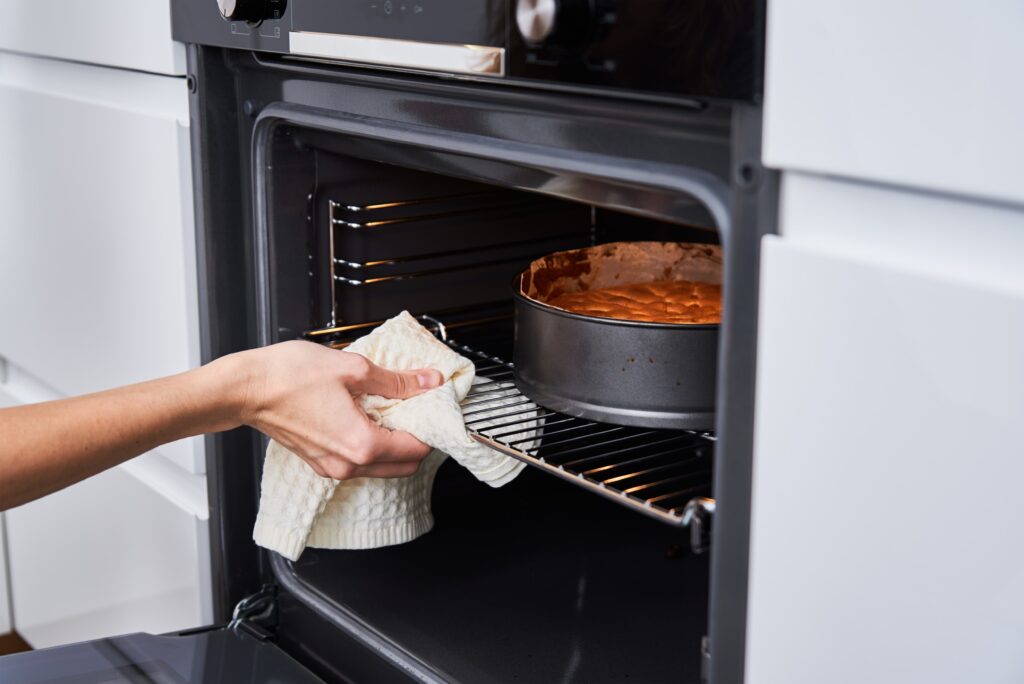
Focus and concentration
Focus and concentration are essential elements of any successful baking session. With focus, you can ensure that each step is followed precisely and that ingredients are measured correctly to achieve the desired results. Concentration also helps to keep distractions at bay, allowing bakers to work with more efficiency and accuracy.
In addition, focus and concentration can help to improve an individual’s understanding of the baking process. By staying focused on the task at hand, one can better comprehend the instructions and be able to recognize potential problems or mistakes before they occur. Furthermore, maintaining focus throughout a baking session increases the likelihood of success.
Finally, it is important to remember that focus and concentration are skills which can be developed over time with practice. By giving your full attention to each step in the baking process, you can improve your knowledge and experience in this area – leading you towards becoming a master baker!
Problem solving and troubleshooting
Problem solving and troubleshooting are essential skills to possess when baking. During the baking process, it is inevitable that you will encounter a few bumps in the road. Whether it be ingredients not combining as expected or some other issue, it is crucial to have a good understanding of problem solving and troubleshooting in order to get back on track quickly and effectively.
In addition to providing solutions for problems encountered during the baking process, problem solving and troubleshooting can also help bakers make better decisions throughout the entire baking session. By having a good understanding of how different processes work together, bakers can anticipate potential issues before they arise and adjust accordingly. This helps prevent time from being wasted due to mistakes or miscalculations which could have been avoided with proper planning.
Overall, problem solving and troubleshooting are valuable skills which all bakers should strive to develop in order to ensure success in their baking endeavors. With these skills under your belt, you will be able to confidently tackle any challenge that comes your way – resulting in delicious treats that everyone can enjoy!
Patience and perseverance
Patience and perseverance are two essential traits for bakers to possess when learning how to bake a cake. Baking is a complex process that requires precise measurements, timing, and techniques – meaning that patience is required in order for the process to be successful. Patience allows bakers to take their time and follow the step by step instructions carefully without rushing or making mistakes. Perseverance then comes into play when the baking process does not proceed as planned – allowing bakers to try again, adjust where necessary and troubleshoot any issues that arise along the way.
By having patience and perseverance while baking, bakers can successfully master all of the skills they need in order to create delicious cakes. This includes understanding basic instructions, following verbal instructions, learning how different kitchen appliances work together, and acquiring knowledge on food preparation techniques. With each success will come a sense of achievement, creating fond memories that will stay with the baker for years to come.
In short, patience and perseverance are essential traits for bakers who want to become successful in creating delicious cakes. With these qualities under your belt you will be able to confidently tackle any challenge that comes your way – resulting in tasty treats that everyone can enjoy!
Time management and organization
Time management and organization are two key skills for successful baking. Having a clear plan of action and understanding how much time each task will take is essential for bakers to ensure that the cake is baked correctly and on-time. This includes being able to accurately estimate the time needed to complete each step, allowing the baker to schedule tasks accordingly and avoid any delays or issues during the baking process.
Organization is also important in order to keep track of ingredients, tools, and instructions. Bakers must be able to locate their equipment quickly and efficiently, as well as ensuring that all ingredients are measured accurately according to the recipe. By having a system in place – such as labelling containers or organizing ingredients into groups – bakers can save time while baking by knowing exactly where everything is located within their kitchen.
Overall, effective time management and organization can make baking a much more enjoyable experience. Not only will it help bakers create delicious cakes efficiently, but it will also allow them to enjoy the process without feeling overwhelmed or stressed out. With these two skills under your belt, you’ll be sure to become an expert baker in no time!
Resourcefulness and creativity
Resourcefulness and creativity are two of the most important skills for successful baking. Resourcefulness involves being able to work with what is available, while creativity can help bakers come up with new ideas to make their cakes something special. Resourceful bakers may be able to modify a recipe or ingredient slightly if they don’t have access to a particular item, while creative bakers may be able to come up with unique decorations or flavor combinations that turn an ordinary cake into something extraordinary.
For example, if a baker doesn’t have access to a specific type of cake pan, they can use resourcefulness by finding an alternative that will still give them the desired result. Similarly, if they want their cake to stand out from the crowd, they can use creativity by adding edible glitter or colorful frosting designs. In this way, both resourcefulness and creativity can help bakers make their creations truly unique and memorable.
Overall, resourcefulness and creativity are valuable skills for any baker who wants to take their cakes to the next level. With these two tools in hand, you can create masterpieces that look and taste amazing!

Conclusion
Learning how to bake a cake has many benefits. It can help improve motor skills, enhance everyday activities, and teach essential life skills. Through step-by-step instructions and the use of baking courses or equipment, bakers have the perfect opportunity to spend time doing something fun and enjoyable that will also yield delicious results. In addition, baking helps people learn real-life language development, basic kitchen skills, and understanding of kitchen appliances. Most importantly, learning how to bake gives people a sense of achievement and fond memories that can last for a lifetime. For these reasons and more, taking the time to learn how to bake is an excellent way to develop important life skills while having fun at the same time!