Easter is a time for celebration, and what better way to celebrate than with delicious cakes? From the classic carrot cake to more creative variations such as coconut cake topped with fresh fruits, there are plenty of Easter cake recipes that will delight both young and old. If you’re looking for something special to serve up this Easter, these creative recipes will have your taste buds hopping!
Creative Easter Cake Recipes You Need to Try
Get creative in the kitchen with some Easter cake recipes. There’s a variety of options for any occasion. Carrot cake with cream cheese frosting is a traditional and popular option. Or try something different with a coconut cake topped with buttercream frosting and fresh fruit. For a healthier option, make an Easter fruit salad with a mix of fruits and green beans. These recipes are sure to make your Easter special.

The Special Occasion-Worthy Carrot Cake
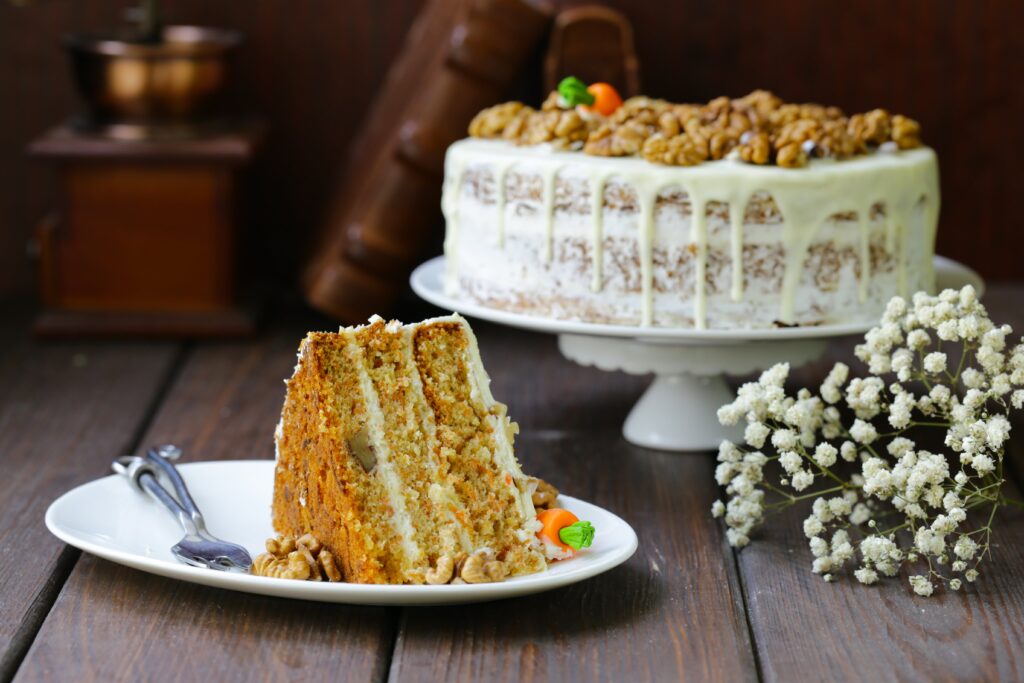
Easter is a good time to enjoy a special dessert. The Special Occasion-Worthy Carrot Cake is perfect for any festive occasion. It is a tender, moist cake with a hint of nutmeg and cinnamon. To make it extra special, combine grated carrots, brown sugar, and baking soda in a bowl. Add eggs, vegetable oil, and vanilla extract, then stir in all-purpose flour. Fold in nuts or raisins before baking at 350°F for 40 minutes. Once cooled, top with cream cheese frosting to finish. Your guests will enjoy this flavorful treat that looks and tastes good.
Ingredients for Classic Carrot Cake Recipe
When it comes to classic carrot cake recipes, the ingredients are simple but important. Start with two cups of grated carrots, which provide a subtle sweetness that goes perfectly with warm spices like nutmeg and cinnamon. For added moisture and flavor, you’ll need one cup of vegetable oil, one cup of brown sugar, two eggs and one teaspoon of vanilla extract. To give your cake structure and lift, use one teaspoon of baking soda in combination with two cups of all-purpose flour. Lastly, add in one cup of chopped nuts or raisins for flavor and texture. With these basic ingredients at hand, you can create a delicious homemade carrot cake that’s sure to please your taste buds.
Cream Cheese Frosting
When it comes to making a delicious, creamy frosting for your cakes and desserts, cream cheese frosting is an absolute must. This decadent topping makes any special occasion cake even more special, from Easter celebrations to birthday parties. To make the perfect cream cheese frosting, start with four ounces of softened cream cheese and one stick of butter. Beat together these ingredients until light and fluffy. Then add in two cups of powdered sugar and ½ teaspoon of vanilla extract for sweetness. If desired, you can also stir in one tablespoon of maple syrup or honey for added flavor. For a lighter texture, fold in ¼ cup of heavy cream before spreading onto your cooled cake layers. With this easy recipe, you’ll have a delicious frosting that will give your cake a rich and decadent finish.
Grated carrots are a must-have ingredient when making traditional carrot cake. They add color, texture, and flavor to the cake, as well as adding a nutritious punch. To make sure your grated carrots are evenly distributed throughout the cake batter, it’s important to shred them correctly. Start by using medium-sized or large carrots–smaller ones can be too small and difficult to grate properly. Peel the carrots, then use a box grater to shred them into thin strips. If you don’t have a box grater, you can use the fine side of your food processor or blender attachment instead. Once shredded, transfer the carrots to a bowl and mix them together with one tablespoon of lemon juice. This helps keep the colors from fading during baking and adds a nice tartness to the cake.
Brown Sugar and Powdered Sugar
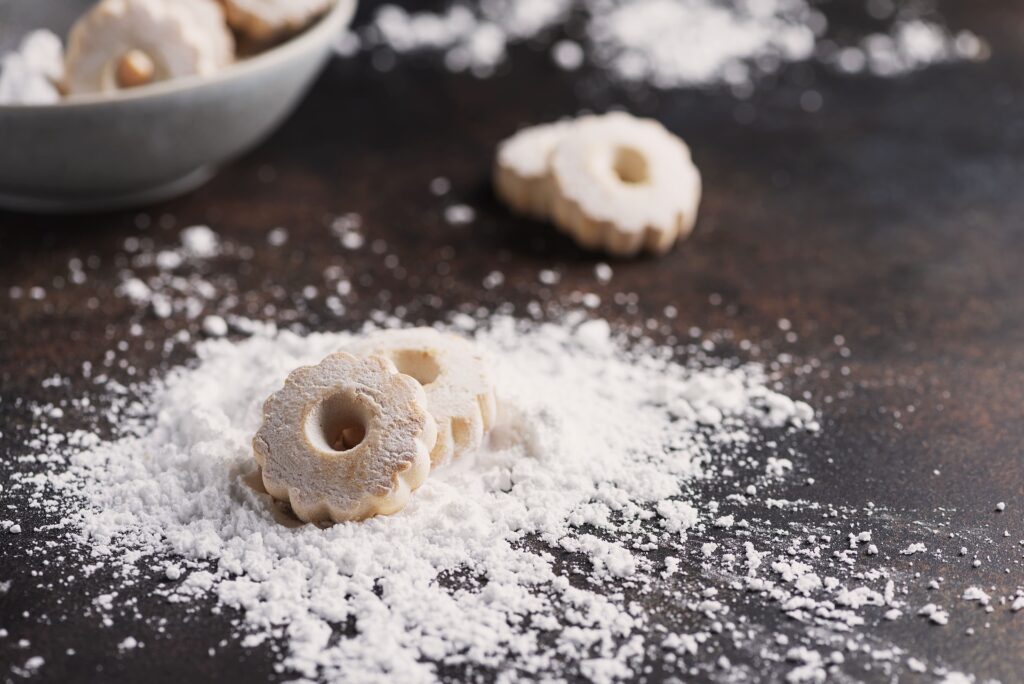
Brown sugar and powdered sugar are two essential ingredients when creating delicious Easter cakes. Brown sugar is a staple in baking and adds a deep, caramelized flavor to recipes. It’s made by combining white granulated sugar with molasses, and is usually used in recipes that call for softening agents like butter or shortening. Powdered sugar, on the other hand, has a finer texture that dissolves quickly in cold liquid. This makes it the perfect choice for making smooth cream cheese frostings or light and airy buttercream frostings. When baking Easter cakes, it’s important to measure these ingredients correctly since brown and powdered sugars have different amounts of sweetness depending on their texture and size. For example, one cup of light brown sugar has more sweetness than one cup of dark brown sugar. And don’t forget to sift your powdered sugar before adding it to any recipe–This will help ensure even distribution without clumping.
Buttercream Frosting
Buttercream frosting is a classic topping for many Easter cakes, providing a sweet, creamy flavor that pairs well with all sorts of flavors. This type of frosting is made from combining butter and powdered sugar, along with other ingredients like vanilla extract or cocoa powder. When making buttercream frosting for your Easter cake, it’s important to use room temperature butter so that it blends smoothly and evenly with the sugar. Adding the right amount of liquid can also make a difference – too much will make the frosting runny while too little will make it too thick. Also, be sure to beat the mixture on low speed until light and fluffy before spreading it onto your cake. With these tips in mind, you’ll be able to create an amazing buttercream frosting that will take your Easter dessert to the next level.
Tsp Baking Soda and Maple Syrup
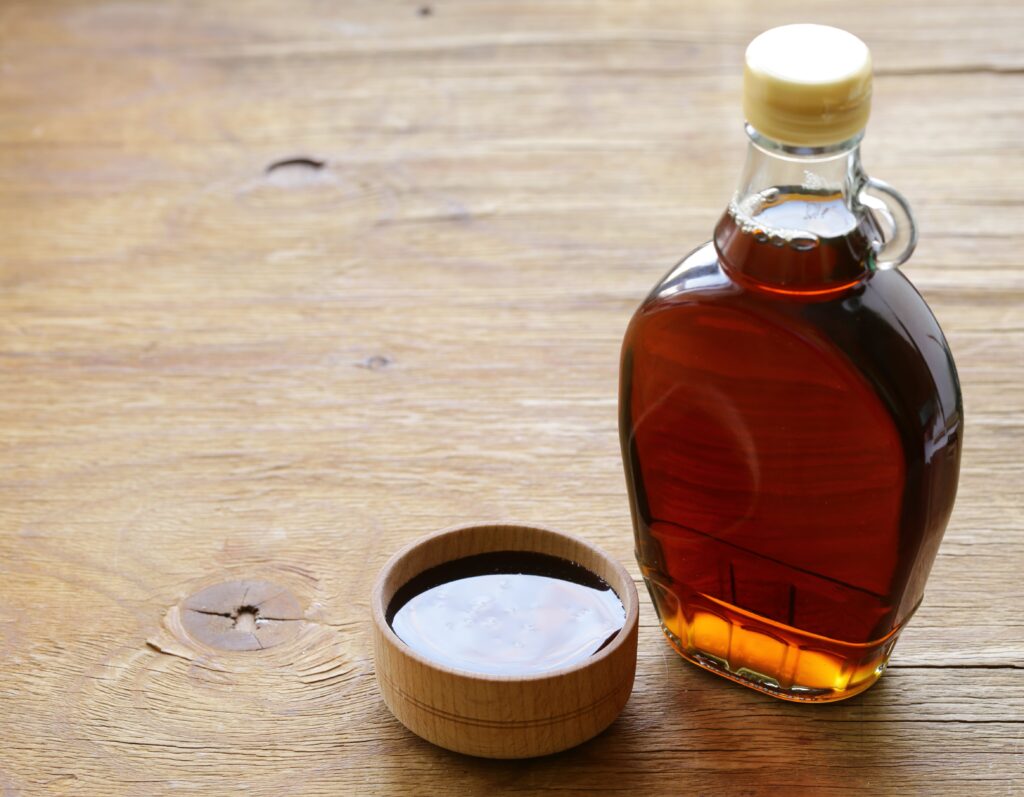
Tsp Baking Soda and Maple Syrup are two ingredients that can be used to create a variety of scrumptious Easter treats. Combining these two ingredients together can make a delicious cake base, or can be used to give flavor to sugar cookies, muffins, and other desserts. When baking with Tsp Baking Soda and Maple Syrup, it’s important to use the right proportions. Too much baking soda will lead to an overly bitter taste while too little will cause the cake or cookie not to rise properly. The maple syrup adds an extra layer of sweetness while also giving off a nutty flavor, so it’s important to use the right amount as well. With just these two ingredients you’ll have your taste buds singing in no time.
Tips for Making the Perfect Carrot Cake
Carrot cake is a classic Easter treat that is loved by many. It’s made from a simple batter of grated carrots, flour, sugar, baking powder, baking soda, and spices like cinnamon and nutmeg. To make the perfect carrot cake you’ll need to start by preheating your oven to 350°F (175°C). Grease two 9-inch round cake pans with butter or non-stick cooking spray and lightly dust them with flour. In a large bowl mix together 1 cup of grated carrots, 2 cups of all-purpose flour, 1 teaspoon of baking powder, 1 teaspoon of baking soda, ½ teaspoon of salt and the spices of your choice such as cinnamon or nutmeg. Then in another bowl cream together ½ cup (1 stick) of melted butter and 1 cup each of granulated white sugar and light brown sugar until light and fluffy. Beat in 4 eggs one at a time until fully incorporated then stir in the dry ingredients until just combined before adding the grated carrots. Finally bake for 25-30 minutes or until a toothpick inserted into the center comes out clean. Let cool before frosting with cream cheese frosting for an extra special treat.
Fresh Flavors and Taste Buds in Mind
As Easter approaches, many people are looking for ways to make their cake recipes more special. Focusing on fresh flavors and taste buds in mind can help you create unique and delicious cakes that will leave a lasting impression on your guests. Start by using real ingredients like organic butter, pure maple syrup, and zesty citrus fruits to bring out the natural sweetness of your cake. For even more flavor, consider adding nuts or dried fruits such as cranberries or apricots. You can also play around with different spices like cinnamon, cardamom, or nutmeg to add warm notes of flavor. If you’re feeling adventurous, you can even experiment with savory options like roasted garlic or herbs.
In addition to using flavorful ingredients, it’s important to pay attention to the texture of your cake recipe. Be sure to use the right amount of baking soda and powder so that the cake is light and fluffy. Once your batter is ready, bake at a moderate temperature until lightly golden brown and an inserted toothpick comes out clean. Finally, top off your masterpiece with a rich buttercream frosting made from powdered sugar and butter for an extra special touch! With these tips in mind you’ll be sure to have a delicious cake that will tantalize everyone’s taste buds this Easter season.
Letting the Batter Rest Before Baking
Letting the batter rest before baking is an important step in creating a delicious and well-textured cake. Before putting your cake in the oven, allow your cake batter to sit for at least 10 minutes – this will give the ingredients time to combine and let the flavors mingle. During this time, air bubbles that have formed during mixing will dissipate, which helps prevent your cake from falling or sinking after it’s baked. Additionally, letting the batter rest allows for gluten formation in wheat flour used in cakes – this process helps create a lighter and fluffier texture. Furthermore, when mixed correctly, letting the batter rest will also help yeast-based cakes rise more effectively once baked. For best results, use fresh ingredients and follow instructions carefully when preparing your cake batter to ensure optimal results.
Combining Wet and Dry Ingredients Separately
When baking a cake, it is important to understand the differences between wet and dry ingredients. Wet ingredients, such as eggs and butter, work together with the dry ingredients to create a cohesive batter that will rise when baked. Dry ingredients, such as flour and sugar, provide structure and flavor. For best results, it is recommended that wet and dry ingredients be combined separately before adding them together in one bowl.
First, combine all of the dry ingredients such as flour, baking powder or soda, salt and any other spices or flavorings in one bowl using a whisk. In a second bowl, mix together all of the wet ingredients like melted butter, milk or eggs until they are fully incorporated. Once both bowls have been mixed thoroughly on their own, slowly add the wet mixture into the dry mixture while stirring gently with a rubber spatula. Mix until there are no visible lumps of either wet or dry ingredients – this should create a smooth cake batter ready for baking.
Variations of a Classic Carrot Cake Recipe
Carrot cake is a classic favorite for special occasions, such as Easter and birthdays. While the traditional recipe usually consists of grated carrots, cream cheese frosting, and brown sugar, there are many variations that can be made to customize your cake to fit any occasion.
Coconut Cake with Nutty Flavor Fluffy Cake Topped with Fresh Fruits
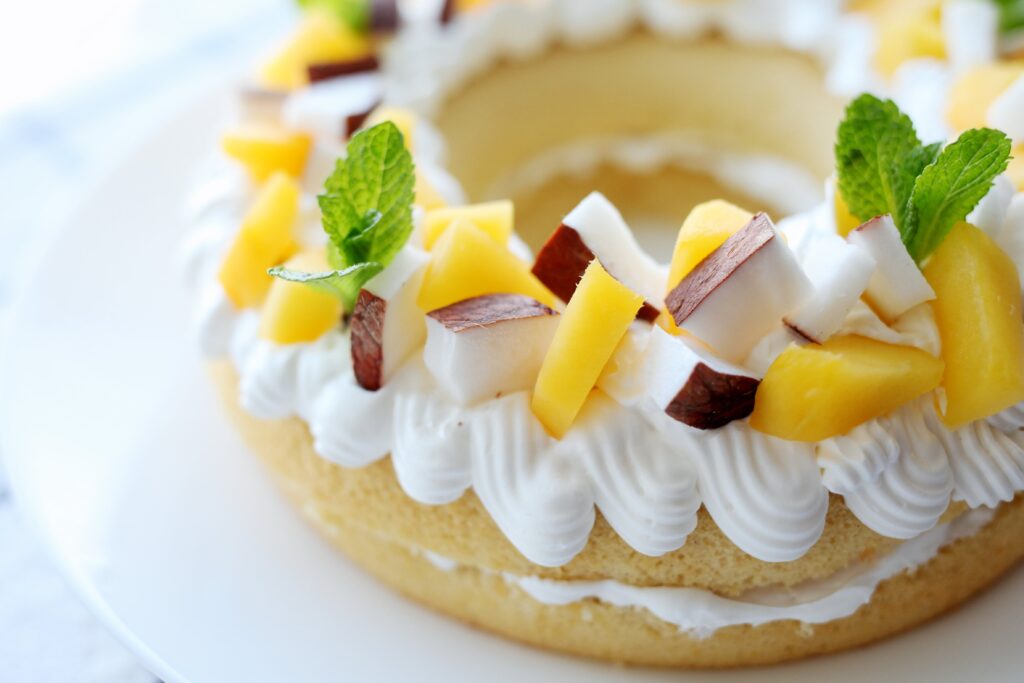
For a coconut twist, add some coconut flakes to the batter and top with a buttercream frosting enhanced with maple syrup. The nutty flavor from the coconut complements the sweetness of the carrots perfectly. For a lighter version, use a similar recipe but substitute half of the oil for applesauce and reduce the amount of powdered sugar in the frosting. This will create a fluffy cake perfect for topping with fresh fruits like strawberries or blueberries.
If you’re looking for something more decadent, try adding some cream cheese swirls or chocolate chips to your batter. You can also top your carrot cake with an extra layer of cream cheese frosting or an indulgent caramel sauce. Whatever variation you choose, make sure to keep in mind that all cakes need 1 tsp baking soda per cup of flour added to help them rise while baking! With these creative recipes, you can easily bring out your inner baker and wow taste buds across the breakfast table.
Serving Suggestions for Easter Cakes Breakfast
Serving your freshly-baked cakes for Easter is the perfect way to bring family and friends together! Start off by setting a beautiful breakfast table with colorful decorations. Your cakes will be sure to stand out as the centerpiece of the meal. As a side dish, try serving either a fruit salad or fresh green beans with butter and herbs. Both are light and refreshing options that pair well with the rich flavors of your cake.
For birthday parties and special events, you can elevate the presentation of your Easter cake by slicing into small pieces and arranging them on a plate with other desserts. This will create an eye-catching display that is sure to impress your guests! To complete the meal, serve some vegetables such as grilled asparagus or steamed broccoli along with a creamy dip for added flavor. With these ideas, you’re sure to create an unforgettable experience for all.
Conclusion
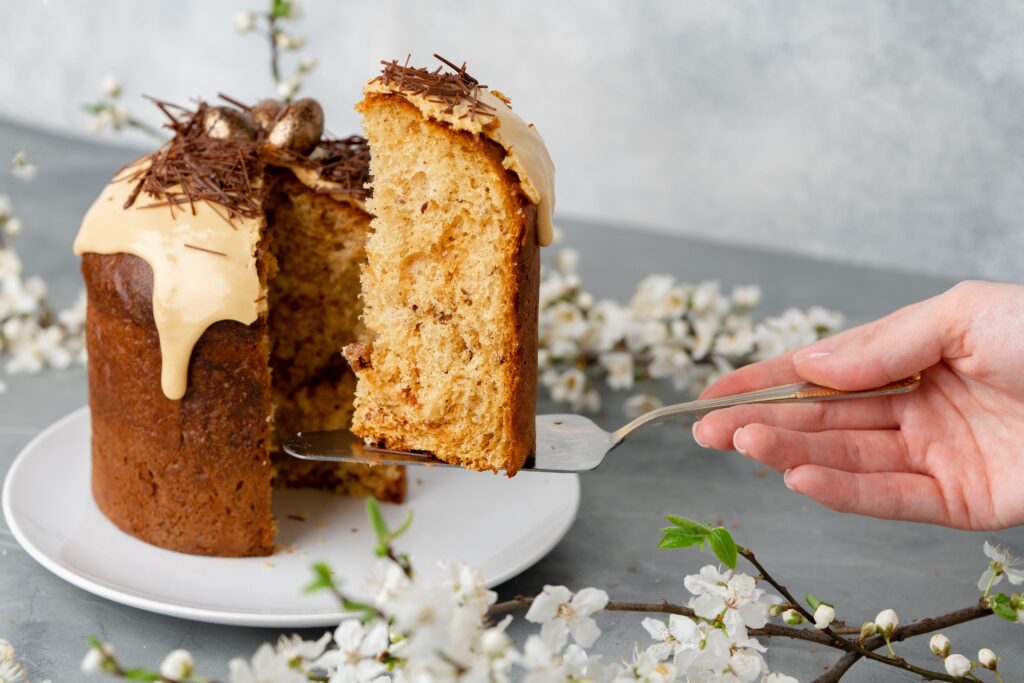
Easter is a time for celebration and there is no better way to mark the occasion than with a delicious cake! Whether you are looking for something classic like carrot cake or want to try something new like a coconut cake, these recipes will make your Easter meal special. With just a few simple ingredients and some creativity, you can create an unforgettable experience that will leave your family and friends wanting more. So why not take a break from the everyday and whip up something extraordinary this Easter? Your taste buds will thank you.