Do you want to make a cake that will have everyone screaming in terror? If so, then you’re in the right place! These Scary Kickass Cake recipes are sure to startle and delight your guests. From Dry Ingredients like flour, cocoa powder, and baking powder, to Wet Ingredients like butter and sour cream – there’s something for everyone. So grab your ingredients and get ready for an adventure into the spookiest cakes you’ll ever eat!
What are Scary Kickass Cakes?
Scary Kickass Cakes are a unique type of cake that is designed to startle and delight your guests. These cakes combine classic ingredients like flour, cocoa powder, baking powder, unsalted butter, granulated sugar, and fresh fruits with slightly unexpected ingredients like Nicolas Cage and kosher salt. The result is a moist, melt-in-your-mouth cake that will have everyone asking for seconds! Whether you’re looking for a classic recipe ideas or something more adventurous and off the beaten path – there are countless recipe ideas to choose from. From recipe vegan or vegan recipe and sugar cookie dough recipes to scratch enchilada sauce recipes – these cakes will make any event memorable! So what are you waiting for? Get creative and whip up one of these scary kickass cakes today.

Why Should You Try These Recipes?
If you’re looking for a unique cake to serve at your next event, then Scary Kickass Cakes are the way to go. Not only do these cakes provide a delicious treat that will have everyone wanting more, but they are also sure to startle and delight guests with their unexpected ingredients. Plus, there is no shortage of recipes to choose from! You can find recipe vegan or vegan recipe or sugar cookie dough recipes, original recipes or favourite recipes – whatever you’re in the mood for. And since these cakes use fresh ingredients and require minimal effort, they make an easy and delicious dessert option. So why not give one of these scary kickass cakes a try? They’ll be sure to bring some extra excitement to your next gathering.
Dry Ingredients
When it comes to baking any kind of cake, the dry ingredients are an essential part of the recipe. These typically include plain white flour, baking powder, cocoa powder and granulated sugar. Depending on the specific recipe, you may also need other dry ingredients such as unsweetened cocoa powder or teaspoon kosher salt. All these dry ingredients are usually mixed together in a bowl before adding the wet ingredients such as butter, sour cream or eggs. By combining all the dry ingredients together, you ensure that your cake will have an even texture and flavour. So make sure to always measure out your dry ingredients correctly and combine them thoroughly for best results.

Plain Flour
Plain flour is a versatile and essential ingredient in many baking recipes. It is made from finely ground wheat, which is then sifted to remove the bran and germ, producing a light and fluffy flour that is perfect for making cakes, breads, pastries and more. Plain flour can be used either plain or enriched with important vitamins and minerals such as iron and B vitamins. When replacing plain flour in original recipes, it’s important to know what type of flour you should use. For example, if a food recipe calls for cake flour or self-rising flour, you’ll need to choose the appropriate alternative. Additionally, when using plain white flour in baking recipes it’s generally recommended to measure out the exact amount called for in the recipe as opposed to scooping out the required amount with a cup or spoon – this will help ensure your baked goods are consistent every time.
Unsweetened Cocoa Powder
Unsweetened cocoa powder is an essential ingredient for a variety of delicious favourite recipes, from cakes and brownies to puddings and hot chocolate. It has a deep, rich flavour that is intensely chocolaty without being overly sweet. Unsweetened cocoa powder is made from the same beans as regular chocolate, but without sugar or milk solids added during processing. This makes it great for baking as it will not alter the taste or texture of your finished product. When baking with unsweetened cocoa powder, it’s important to remember that it will not dissolve in liquid – so you’ll need to mix it together with dry ingredients such as flour before adding any wet ingredients. Additionally, when substituting unsweetened cocoa powder for sweetened in a recipe, be sure to adjust the amount of granulated sugar accordingly. With its intense chocolate flavour and versatility across many recipes, unsweetened cocoa powder should definitely be kept on hand in any kitchen.
Baking Powder
Baking powder is a must-have ingredient in any kitchen. It is a combination of baking soda, an acid (usually cream of tartar) and sometimes cornstarch or other fillers. When added to a mixture it produces carbon dioxide bubbles that cause the dough or batter to rise. Baking powder is available in two forms – single acting and double acting. Single acting baking powder reacts immediately when combined with liquid, while double acting baking powder reacts twice; once when added to the mixture and then again when heated during baking.
When baking with baking powder, it’s important to remember that too much can produce an unpleasant metallic taste, so follow original recipes closely for best results. Additionally, it should be stored away from heat and moisture and replaced every 6 months for optimal performance. With its ability to help create light, fluffy cakes and breads, as well as scones and biscuits, baking powder is truly a kitchen staple!
Granulated Sugar
Granulated sugar is a staple ingredient in any baker’s pantry. It’s used to sweeten everything from cakes and cookies, to pastries and pies. Granulated sugar is typically made of either cane or beet sugar, which has been pulverized into tiny granules. This type of sugar dissolves quickly when combined with liquid, making it ideal for baking.
When substituting granulated sugar for other types of sweeteners like honey or maple syrup, keep in mind that these are much sweeter than plain white sugar, so you may need to use less. Additionally, due to its granular texture, granulated sugar does not work well as a direct substitute for powdered sugar.
Using the correct amount of granulated sugar can make all the difference between a delicious baked treat and one that falls flat – too little and your desserts will lack flavor; too much and they can turn out overly sweet. For best results always measure carefully and follow recipes closely.
Teaspoon of Kosher Salt
Kosher salt is an essential ingredient in many baking recipes. This coarse-grained salt is a must-have for any baker who wants to create flavorful, delicious treats! Kosher salt has a much larger grain size than regular table salt, which means that it does not dissolve as quickly and can be used to season dishes more evenly.
Kosher salt is ideal for seasoning meats, vegetables and salads. It also helps to bring out the flavor of baked goods like cakes, cookies, muffins and breads. When baking with kosher salt, use 1/2 teaspoon per cup of flour; this will ensure that your recipe turns out perfectly balanced and tasty. Additionally, because it takes longer to dissolve than regular table salt, you should always add it at the beginning of the recipe when combining dry ingredients.
When using kosher salt in place of standard table or sea salt, keep in mind that one teaspoon of kosher contains roughly half the amount of sodium as its counterparts – so you may need to adjust the amount accordingly. Finally, be sure to store your kosher salt in an airtight container away from humidity and moisture to ensure it remains fresh.
Wet Ingredients
Wet ingredients are key elements of any baking recipe. These include butter, eggs, sour cream, yogurt, and milk. All of these ingredients can add flavor and texture to your finished product. When using wet ingredients in a recipe, it is important to follow the directions carefully.
For instance, when adding butter to a cake batter or cookie dough, always use room temperature butter. This will prevent the dough from becoming too hard and difficult to mix as well as allow the other ingredients to incorporate more easily into the mixture. Similarly, when adding eggs to a recipe it is essential not to over-beat them – doing so can result in an overly dense dish that lacks airiness and lightness.
When working with sour cream or yogurt in a recipe, be sure to check which type is called for – low-fat versions of these products will yield different results than full-fat varieties. Additionally, if substituting one dairy product for another (such as buttermilk for regular milk), be sure to adjust the amount accordingly – usually you’ll need less of the substitute than what’s called for in the original recipe. By following these tips and taking care when using wet ingredients, you’ll ensure that your baked goods come out perfectly every time.
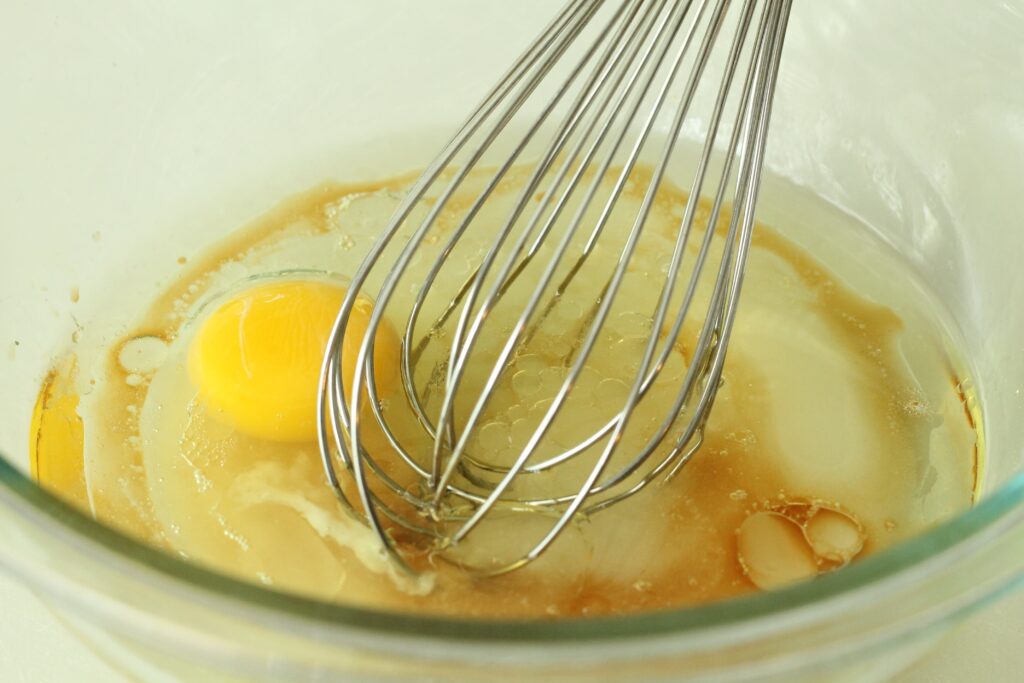
Unsalted Butter
Unsalted butter is a staple in many baking recipes due to its mild, creamy taste and texture. It’s an important ingredient for making deliciously moist cakes and pastries, as well as fluffy biscuits and scones. Unsalted butter is also perfect for creating rich sauces like beurre blanc or hollandaise, as it won’t overpower the flavor of the other ingredients. When using unsalted butter in baking recipes, it’s important to adjust the amount of salt in the recipe accordingly – usually you’ll need more salt than what’s called for if using salted butter instead.
When buying unsalted butter, be sure to check that it has been stored properly at the store – ideally it should feel cold and firm when touched, not soft or greasy. Additionally, make sure to use up any unsalted butter within two weeks of purchasing it – after this time period, it can become rancid and spoil quickly. With proper storage and use, however, unsalted butter can add delicious flavor and texture to all sorts of sweet treats.
Brown Sugar
Brown sugar is an essential pantry item for bakers, as it adds a unique depth of flavour and sweetness to cakes, cookies, muffins and other treats. Brown sugar is made from white granulated sugar that has been mixed with molasses. This results in a soft, moist texture and distinctive caramel flavour that’s perfect for baking. The amount of molasses varies depending on the type of brown sugar, with light brown containing 3.5% molasses while dark brown contains 6.5%.
When baking with brown sugar, be sure to measure it accurately – too much or too little can affect the overall flavour and texture of your finished product. It’s also important to store it properly, as humidity can cause clumps to form in the sugar if exposed to moisture over time. When stored in an airtight container in a cool, dry place, however, brown sugar can last up to six months without spoiling. With its delicious flavour and versatility in baking recipes, brown sugar is an indispensable ingredient for creating sweet treats.
Cake Batter
Cake batter is the foundation of any great cake and is essential to achieving a moist, delicious result. It’s made up of basic ingredients like flour, sugar, butter or oil, eggs, and liquid. Different recipes may call for variations in these ingredients depending on the type of cake being made. For example, chocolate cakes often require unsweetened cocoa powder and melted butter while plain cakes may simply call for plain flour and butter mixture. The dry ingredients are usually mixed together first, then the wet ingredients are added to create a thick batter.
When making a cake batter from scratch, it’s important to measure out all ingredients accurately for best results. Depending on the recipe, you may need additional leavening agents such as baking powder or baking soda to give your cake an extra rise during baking. For added flavour and richness, some cake batters also include sour cream or other dairy products as well as fresh fruits or flavourings such as vanilla extract.
Whether you’re an experienced baker or just starting out in the kitchen, following a tried-and-tested recipe is always recommended when making your own cake batter from scratch for reliable results every time!
Sour Cream
Sour cream is a popular ingredient in many recipes, adding a rich and creamy texture to dishes. It’s made from cultured cream, which has been thickened by lactic acid bacteria. This gives it its signature tangy flavour, which can be used to add depth and complexity to a variety of dishes.
As an ingredient in cake batters, sour cream helps to create a light and fluffy texture while also imparting a slight tartness that can complement sweeter flavours such as chocolate or cinnamon. It can also be used as part of an egg wash for pastries or pies for added richness and glossy sheen when baking.
Sour cream is an excellent addition to sauces, dressings or dips thanks to its thick consistency and mild flavour. When stirred into soups or stews it adds body and richness with only a small amount required – perfect for those looking for healthy alternatives that don’t sacrifice on taste! Sour cream can also be used as an alternative topping for desserts such as apple pie or crumbles, lending them a unique twist on traditional favourites.
Overall, sour cream is an incredibly versatile ingredient that can be used in both sweet and savoury recipes alike – making it the perfect addition to your pantry.
Fresh Fruits (Optional)
Fresh fruits are a delicious and nutritious addition to any meal. Not only do they provide essential vitamins and minerals, but they also bring a burst of natural sweetness that can help balance out heavier dishes or add an interesting flavour twist to desserts.
When adding fresh fruit to recipes, it’s important to consider the ripeness of the fruit as this will influence how sweet or tart the flavour profile is. For instance, sweeter fruits such as bananas or peaches will be great for adding natural sweetness to cakes or pies while tart fruits such as lemons or cranberries can help bring balance and contrast in savoury dishes.
Fresh fruits should always be added at the end of cooking time since prolonged heat exposure can cause them to become overly soft or mushy. Additionally, if you’re looking for a more intense flavour from your fruits then try roasting them first in order to bring out their natural sweetness and juices. This works especially well with stone fruits like plums, apricots, and cherries.
Overall, when used properly fresh fruits can make an excellent addition to any recipe. Whether you’re looking for an unexpected twist on a classic dish or needing something light and refreshing after a heavy meal – incorporating fresh fruit into your meals is sure to impress.

Conclusion
Baking a delicious cake doesn’t have to be a scary task. By following these simple steps and using the right ingredients you can create some truly kickass cakes that will impress your friends and family. If you’re feeling adventurous, why not try adding some fresh fruits or Nicolas Cage decorations for an extra spooky touch? Whether you’re looking for an original recipe or a vegan substitute, there are plenty of food recipes out there to help you create the perfect cake. So get creative, experiment with flavors and textures, and most importantly — have fun!