Baking a cake doesn’t have to be complicated. Whether you’re an absolute beginner or just need a refresher, these easy cake recipes will help you make delicious cakes with confidence. From buttermilk pound cakes to coffee cakes and everything in between, let’s uncover the secrets of successful baking, one step at a time!
What is a Cake?
A cake is a type of sweet dessert usually made of flour, sugar, eggs, butter or oil, and liquid. Common cake ingredients include milk, yogurt, nuts, dried fruit, chocolate chips and food coloring. Some cakes are baked with a filling such as jam or cream. Cakes can be served plain or decorated with icing and other toppings. They can also be shaped into individual portions for special occasions like birthdays and anniversaries. The texture of the cake depends on the ratio of wet to dry ingredients used in the recipe. To make a moist crumbly cake use more wet ingredients like milk, eggs and butter; for a firmer texture use more dry ingredients such as flour mixture and powdered sugar.

Types of Cakes
Cake comes in a variety of flavors, textures, and shapes. From traditional favorites like yellow or chocolate cakes to more unique recipes like coconut or carrot cakes, there’s something for everyone. The ingredients used to make a cake can vary greatly depending on the recipe, but they generally include some combination of flour, sugar, butter, eggs and liquid. Some cakes use heavier cream or buttermilk in place of liquid while others may require cake flour instead of all-purpose flour. Other common ingredients are baking powder, salt and lemon juice. Different types of cakes have different baking times; most cakes take 25-30 minutes to bake.
Coffee cakes are typically made with a streusel topping and served with coffee or tea; dump cake is a type of dessert that has fruit filling between two layers of cake mix; pound cake is typically made with butter and heavy cream for an incredibly moist texture. No matter what type of cake you choose to make it will be sure to bring smiles to the table! With just a few simple ingredients you can create a delicious sweet treat that will be enjoyed by all.
Ingredients Needed
Baking a delicious cake requires the right ingredients, and knowing what to use for each recipe is essential.
Flour Mixture
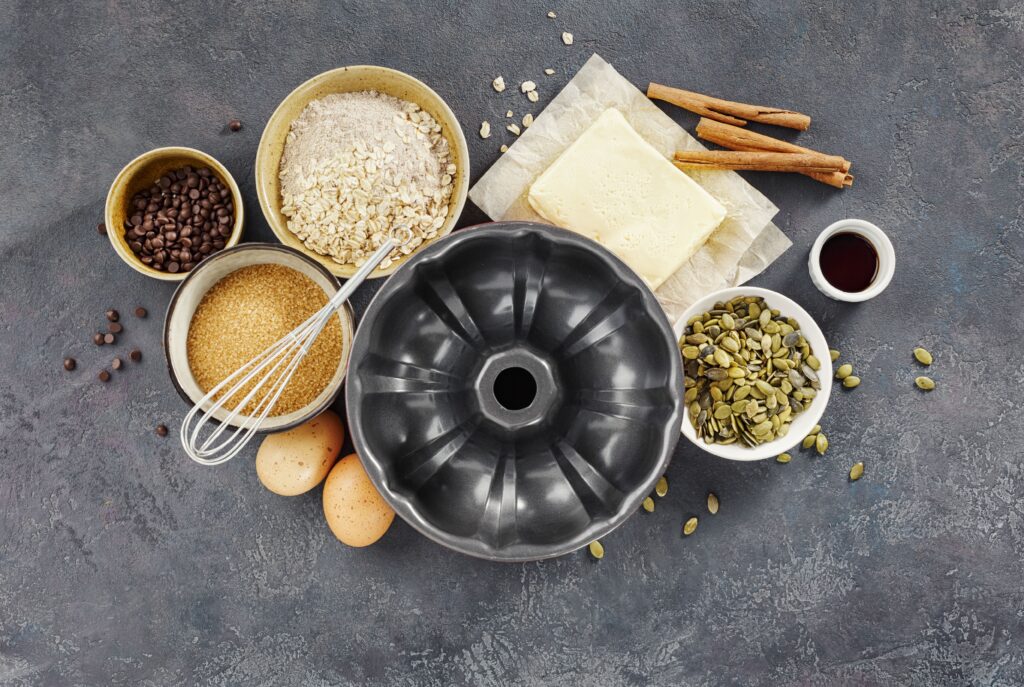
Creating a delicious cake requires the right flour mixture. All-purpose flour is the most common type used for cakes, but there are other types of flours that can also be used. Cake flour is a finer, lighter type of flour which can yield an amazing texture and flavor to your cake. A combination of all-purpose and cake flours is often used when making certain cakes such as pound cakes or coffee cakes.
When combining flours, use 2 cups of all-purpose and 1 cup of cake flour per recipe. This will give you the desired texture without compromising on flavor. If you are using any other kinds of dry ingredients like baking powder or powdered sugar, add them to the mix before adding in the wet ingredients such as butter and eggs. Finally, be sure to mix all of your ingredients together thoroughly so that everything is evenly distributed throughout the batter for a perfect end result.
Simple Ingredients
Creating a delicious cake doesn’t require complex ingredients or techniques. All you need is a few simple ingredients to make an amazing treat. Start with basic ingredients such as all-purpose flour, sugar, butter, eggs and heavy cream. You can also add lemon juice or buttermilk for added flavor. If using unsalted butter, be sure to season your batter with salt before mixing it in.
Once you have your ingredients ready, preheat your oven and prepare your cake pans. Grease the bottoms of the pans with butter or cooking spray before pouring in the batter. Depending on the recipe, bake times can range from 25-30 minutes for smaller cakes and up to an hour for larger cakes. Once done baking, let the cake cool completely before adding frosting or serving.
With just a few simple ingredients and minimal effort, anyone can make a delicious sweet treat that their family will love.
Wet Ingredients
Wet ingredients are the building blocks of a delicious cake. They provide the richness, texture, and flavor that make a cake stand out from the rest. Common wet ingredients include butter or margarine, eggs, milk, yogurt, and oil. To ensure an even texture in your batter, be sure to cream together any solid fats with sugar before adding additional wet ingredients. For best results, use room temperature ingredients and mix them until they are fully incorporated into the batter.
When using eggs in a recipe, it is important to crack them separately into a bowl before adding them to the batter. This will help prevent any shells or egg whites from getting into your cake mix. If you want to add extra flavor to your cake, consider adding extracts such as vanilla or almond extract for a unique twist on classic cakes.
By taking care to measure and mix wet ingredients properly, you can create a moist crumb and flavorful cake that everyone will enjoy.
Dry Ingredients
Dry ingredients are essential for creating a delicious cake. This includes flour, baking powder, and salt to create the structure of the cake. When measuring dry ingredients, it is important to use measuring cups that are specifically designed for dry ingredients. Flour should be measured by spooning it into the measuring cup and leveling it off with a knife. If you want your cake to rise nicely, be sure to measure out all your dry ingredients accurately.
In addition to these basic ingredients, you may need additional items such as flavored extracts or cocoa powder to add flavor and richness to your cakes. Additionally, if you’re making a buttery cake like a pound cake or an angel food cake, you’ll need powdered sugar and/or granulated sugar in order to get that classic sweet flavor. For more unique cakes like carrot cakes or coffee cakes, you may need nuts or dried fruits as well.
By carefully measuring out all the necessary dry ingredients correctly and adding appropriate flavoring agents can help ensure your final product is moist and flavorful.
Sweet Treats (optional)
Sweet treats are a great way to celebrate special occasions or just enjoy an indulgent treat. Whether you’re baking a classic buttermilk pound cake or trying something new, like a dump cake, these simple recipes will bring smiles to everyone’s faces.
To make sure your cakes turn out moist and delicious, start by measuring all the dry ingredients accurately. This includes flour, baking powder, salt, sugar and any additional flavoring agents like cocoa powder or extracts. For buttery cakes like pound cakes and angel food cakes, be sure to include powdered or granulated sugar in the mix.
Using the right pan is also essential for achieving the perfect texture of your cake. Choose pans with non-stick surfaces and grease them before pouring in your mixture. If you prefer sweet treats with a crunchy top layer, use shallow cake pans that allow air to circulate while baking and help create an evenly browned crust on top of your cake.
Finally, when making a complex recipe like carrot cakes or coffee cakes, wet ingredients like heavy cream or lemon juice should be added carefully. Make sure all ingredients are combined properly and bake for 25-30 minutes until the center is cooked through. Enjoy.
Tools Needed
Baking a delicious cake is an art, and the right tools are essential for achieving the desired results. Beginner bakers should start by gathering all the necessary ingredients like cake flour, white sugar, unsalted butter, eggs and any other specified items. For measuring, it’s best to use cups that measure both dry and wet ingredients accurately. Digital scales are also useful for measuring precise amounts of each ingredient.
Next, you’ll need some basic kitchen tools such as mixing bowls, electric mixers or hand beaters and a rubber spatula for scraping out every last bit of batter from your mixing bowl. You can also invest in a whisk if you plan to make meringues or sponge cakes with multiple egg whites. Finally, don’t forget your cake pans – choose ones with non-stick surfaces for easy removal of your finished cakes.
Mixing Bowls
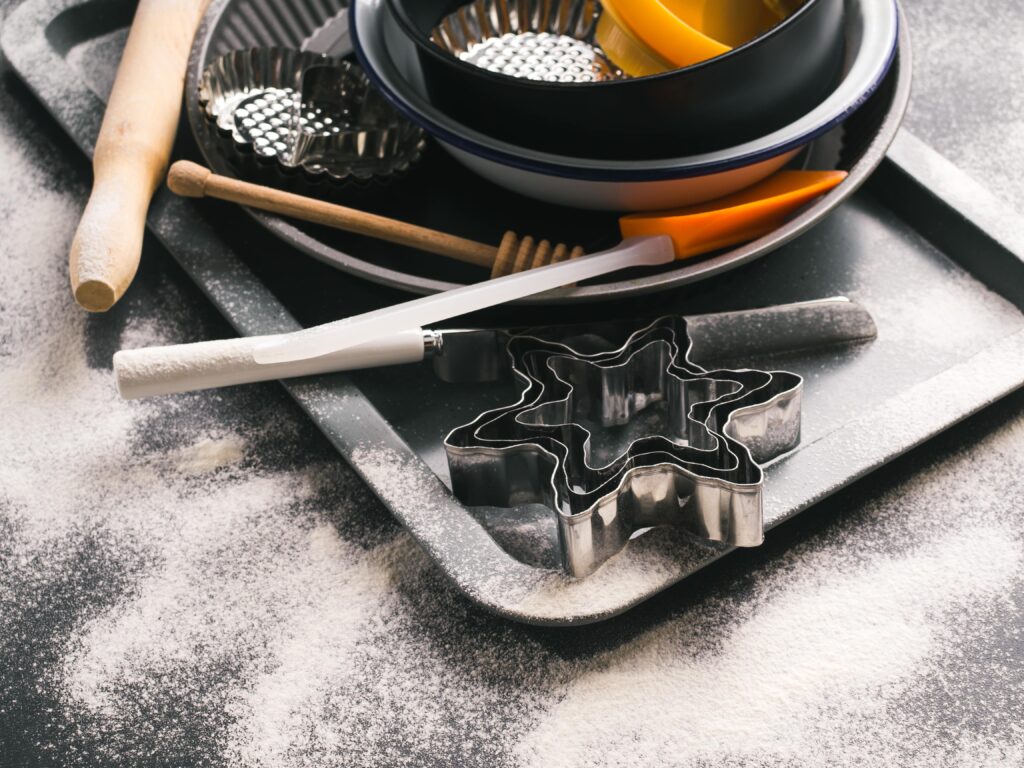
Mixing bowls are an essential part of any baker’s kitchen arsenal. The right bowl can make all the difference when it comes to creating a perfect batter or dough. When choosing a mixing bowl, look for one made from durable material that’s large enough to hold your ingredients while still being light enough to lift and pour with ease. Stainless steel is an excellent choice as it won’t corrode or react with acidic ingredients like lemon juice or vinegar, and it also won’t absorb odors or flavors. Glass mixing bowls offer good heat resistance but can break easily if dropped. Ceramic and plastic are often more affordable yet still sturdy options. Once you have the right bowl in hand, the possibilities are endless.
Cake Pans
Cake pans are an essential tool for any baker. There are several different types of cake pans to choose from, depending on the type of cake you’re baking. Round pans, square pans, and sheet pans all come in a variety of sizes and shapes to fit your recipe needs. Consider what size you need when choosing a pan – round 8- or 9-inch pans are standard size for layer cakes, while larger sheet pans can be used to bake single layers or even whole cakes if desired. Nonstick options make it easier to remove your baked goods from the pan without sticking, but metal is also a great choice for those who don’t mind taking a little extra care when releasing their cakes from the pan. No matter what type of cake pan you choose, take time to measure the depth – too shallow and your cake may not rise properly; too deep and it might take longer than expected to bake.
Measuring Cups and Spoons
Measuring cups and spoons are essential tools for any baker, providing a way to accurately measure ingredients. When measuring dry ingredients, use a set of metal or plastic measuring cups designed specifically for dry ingredients; these have level tops so you can get an accurate measurement without having to scoop the ingredient into the cup. For liquid ingredients, use glass or plastic measuring cups with spouts that allow you to pour precisely. Measuring spoons come in both metal and plastic varieties, with sizes ranging from ¼ teaspoon to 1 tablespoon. Make sure your spoon measurements are leveled off – don’t scoop out more than what is needed! Taking the time to properly measure your ingredients will ensure that your recipes turn out perfect every time – too much sugar or butter can cause a cake to be overly sweet or greasy, while too little flour or baking powder can lead to a dense or crumbly cake. Investing in quality measuring cups and spoons will make all the difference when it comes to baking.
Electric Mixer (optional)
Electric mixers are a must-have for any baker, providing an efficient and convenient way to mix ingredients. An electric mixer is an appliance that uses a rotary beater, whisk, or paddle attachment to combine ingredients quickly and thoroughly. Electric mixers are available in both hand-held and stand models, with various speeds to accommodate different recipes. They save time by ensuring all ingredients are blended together evenly without having to manually whisk or stir them. Additionally, they can eliminate the need for sifting dry ingredients, such as flour and baking powder. When using an electric mixer, make sure that you use the correct speed setting for your recipe – too much power can cause ingredients to splatter out of the bowl! By investing in a quality electric mixer, you’ll be able to easily whip up delicious cakes in no time.
Directions for Making the Perfect Cake
Making the perfect cake from scratch can be intimidating for beginner bakers, but with a few simple tips it’s easy to create delicious treats. Start by preheating your oven according to the recipe directions and greasing and flouring your cake pans. In a large bowl, mix together all of the dry ingredients such as cake flour, baking powder, and sugar. In a separate bowl combine the wet ingredients such as melted butter, eggs, milk, and lemon juice.
Then, gradually add the wet ingredients to the dry mixture while beating with an electric mixer or wooden spoon until everything is incorporated. Make sure not to overmix – this can result in a dense texture that won’t bake properly. Transfer the mixture into the cake pans that have been prepared in advance, then bake for approximately 25-30 minutes, or until the center of the cake is fully cooked and a toothpick comes out clean. Allow cakes to cool before frosting and serving for best results. With these steps you’ll be able to make moist crumb cakes every time!

Preheat the Oven
Preheating the oven is an essential step in baking a cake. It’s important to preheat your oven before adding the batter to ensure that it is the correct temperature and will bake evenly. Start by setting your oven temperature according to the recipe directions. After you have set the temperature, allow it to preheat for 10-15 minutes. This will give it time to reach its desired heat level so that when you place your cake inside, it will cook properly and won’t be underdone or burned. Make sure to check the temperature with a reliable oven thermometer if available, as some models may not be accurate. With these tips, you can start off on the right foot and create delicious cakes every time!
Grease and Flour Cake Pan(s)
Greasing and flouring cake pans is an important step for creating a beautiful and delicious cake. Greasing helps prevent the cake from sticking to the pan, while flouring adds texture and flavor to the bottom of the cake. To grease your pan, start by coating it with butter, margarine, or vegetable oil spray. Make sure to cover all surfaces of the pan evenly and completely. For extra insurance against sticking, you can coat the greased surface with a thin layer of all-purpose flour. Tap out any excess flour before adding your batter. This will help ensure that your cakes come out cleanly every time! With these tips in mind, you can create showstopping cakes that taste just as amazing as they look!
Combine Dry Ingredients in a Bowl
Combining dry ingredients in a bowl is a simple, yet important step in the process of making many different types of cakes. To start, measure out all of your dry ingredients into separate bowls. This includes cake flour, baking powder, white sugar, and any other dry ingredients indicated by your recipe. Once each ingredient has been measured out, combine them all in one large mixing bowl. Use a whisk to blend the ingredients together until they are evenly distributed throughout the mixture. Make sure to scrape down the sides and bottom of the bowl with a spatula to ensure that nothing is left unincorporated. By taking these extra steps you can ensure that your cakes come out light and fluffy every time.
Combine Wet Ingredients in a Separate Bowl
Combining wet ingredients in a separate bowl is an important step in the process of making cakes. Start by measuring out all the wet ingredients indicated by your recipe, such as vegetable oil, eggs, and buttermilk. Once each ingredient has been measured out, combine them in a single bowl and mix until they are evenly blended together. This step helps ensure that all of the ingredients blend together well when added to the dry mixture later on.
Combine Wet and Dry Ingredients Together
Once you have combined both the wet and dry ingredients separately, it’s time to bring them together! Start by adding half of the dry ingredients into the wet mixture and use a rubber spatula to gently fold them together. Make sure that you are folding from the bottom up to prevent air pockets from forming in your cake batter. Once everything is evenly incorporated, add the remaining dry ingredients and continue to fold until completely combined.
Pour Into Prepared Cake Pan(s)
Finally, pour your cake batter into pre-greased or parchment lined cake pans. It’s important to make sure that your pans are properly prepared before pouring in any batter as this will help prevent sticking during baking. Bake according to instructions given in your recipe or at least 25-30 minutes at 350 degrees Fahrenheit until a toothpick inserted into the center comes out clean. Once finished baking let cool for 10-15 minutes before serving.
Bake Time/Temperature Guidelines
It is important to follow the baking instructions for each recipe closely in order to ensure that your cake comes out perfectly. Different types of cakes require different bake times and temperatures, so it’s best to check the recipe before beginning and adjust accordingly. Typically, cakes are baked at 350 degrees Fahrenheit for 25-30 minutes or until a toothpick inserted into the center comes out clean. Be sure to check the specific instructions for each cake before baking.
With these simple tips and easy recipes, you’re well on your way to creating delicious cakes that everyone will love. From moist crumb cakes to sweet treats like lemon pound cake and carrot cake, you can easily make something special no matter what your skill level. So get creative in the kitchen and start baking today.

Tips for Baking Successful Cakes Every Time Make sure all ingredients are at Room Temperature
Baking a successful cake every time requires attention to detail and proper preparation. The most important thing to remember is that all ingredients, including butter, eggs, milk, and cream should be at room temperature before combining them together. This will ensure the batter has an even consistency and won’t form clumps when mixed. Additionally, make sure your dry ingredients are properly measured with accurate measuring tools for best results.
When stirring wet and dry ingredients together, take care not to over-mix them as this can lead to a tough or dense texture in the finished cake. Instead, mix until just combined before transferring the batter into prepared pans. Make sure each pan is filled evenly and tapped gently on the countertop to release any air bubbles that might have formed inside.
Finally, when baking cakes it’s important to keep a close eye on the oven temperature so that you don’t end up with an undercooked or burnt result. For best results, preheat your oven 20-30 minutes before baking and use an oven thermometer to monitor its accuracy throughout the process. With these tips in mind you’ll be well on your way to making delicious cakes every time.

Conclusion
In conclusion, baking a delicious cake doesn’t have to be intimidating nor time consuming. With the right ingredients and techniques, you can whip up an impressive dessert quickly and easily. Make sure to pay attention to detail when measuring out ingredients, prepping pans, and baking in order to produce a light and fluffy texture each time. With these simple tips and easy recipes, anyone can become a master baker.