Are you looking to make a vegan and gluten-free birthday cake that is both delicious and healthy? If so, then this article is for you! With the right ingredients and a few simple steps, you can easily whip up a moist, decadent cake to celebrate any special occasion. From gathering the dry ingredients such as almond flour and coconut sugar to mixing the batter together for perfectly moist results, we’ll cover all of the details needed to make a delicious vegan and gluten-free birthday cake. We’ll also discuss decorating ideas so your cake looks just as good as it tastes! So let’s get started on making your perfect vegan and gluten-free birthday cake!

Definition of a Gluten-Free and Vegan Cake
A gluten-free and vegan cake is an alternative to traditional cakes that are made with ingredients such as eggs, butter, and dairy. Instead of these ingredients, vegan cakes are made with plant-based alternatives such as applesauce, vegetable oil, or flaxseed meal. Additionally, gluten-free cakes are free from wheat or other grains that contain gluten proteins. As a result, they can be enjoyed by individuals who have celiac disease or a sensitivity to wheat. With the right ingredients and techniques, bakers can create delicious and beautiful vegan and gluten-free cakes that taste just as good (if not better) than their regular counterparts.
Creating a vegan and gluten-free cake can be a challenging yet rewarding experience. With the right ingredients and techniques, you can make a delicious, beautiful cake that will impress guests and fulfill all dietary requirements. But the benefits of these cakes don’t end there – find out what else you can gain from baking a vegan and gluten-free cake in the next section!
Benefits of Gluten-Free and Vegan Cakes
There are numerous benefits to choosing a vegan and gluten-free cake for your birthday celebration. Firstly, these cakes are often healthier than traditional cakes as they are made with ingredients that are high in nutrients and low in fat. Vegan cakes, for example, are typically made with plant-based ingredients such as fruit, nuts, and whole grains, which are rich in vitamins and minerals.
Gluten-free cakes, on the other hand, are ideal for people who have celiac disease or gluten intolerance. These cakes are made without wheat, barley, or rye, which are the primary sources of gluten. By choosing a gluten-free cake, people with celiac disease can enjoy a delicious birthday treat without worrying about the harmful effects of gluten on their health.
In addition to being healthier, vegan and gluten-free cakes are also more environmentally friendly. Vegan cakes do not contain any animal products, which means that they do not contribute to the negative impact of animal farming on the environment. Gluten-free cakes, on the other hand, are made with alternative flours such as almond, coconut, or rice flour, which require less water and resources to produce than wheat flour.
Lastly, vegan and gluten-free cakes are incredibly delicious and can be enjoyed by everyone, regardless of their dietary preferences. These cakes are often made with unique and flavorful ingredients, such as coconut milk, maple syrup, and almond flour, which add a new dimension of taste to the traditional birthday cake. So, if you want to enjoy a delicious and healthy birthday cake that is both vegan and gluten-free, give it a try and discover the benefits for yourself!

Dry Ingredients Needed for Vegan & Gluten-Free Cakes
When it comes to vegan and gluten-free baking, the dry ingredients are just as important as the wet ingredients. For vegan and gluten-free cakes, almond flour is the most commonly used base for the dry ingredients. This flour is a healthier alternative to wheat flour and provides a rich, nutty flavor to cakes. Other dry ingredients such as coconut sugar and baking powder must also be added to create a light and moist cake. Baking soda should also be added in small amounts to help provide lift to the batter as it bakes. Finally, granulated sugar can be used for sweetness and texture in cakes. By combining these simple dry ingredients together, you can easily create a delicious vegan and gluten-free cake that is sure to impress at any special occasion!
By using almond flour, coconut sugar, baking powder and baking soda in vegan and gluten-free baking, you can create a delicious cake with great texture and flavor that will wow any crowd. Now that we know the importance of these dry ingredients, let’s take a closer look at why almond flour is so essential for vegan and gluten-free baking!
Almond Flour
Almond flour is an essential ingredient for vegan and gluten-free baking. It is a rich source of protein, healthy fats and dietary fiber as well as numerous beneficial vitamins and minerals. Almond flour has a mild, nutty flavor that complements many types of baked goods, such as cakes, muffins, cookies and more. The texture of the flour also lends itself perfectly to creating light and airy cakes with a moist crumb. Additionally, almond flour can help give structure to vegan and gluten-free cakes without the need for additional binding agents like eggs or starches. By using almond flour in your vegan and gluten-free baking recipes you can create delicious treats that are sure to please any crowd!
Coconut Sugar
Coconut sugar is a natural sweetener derived from the sap of coconut palm trees. It has a mild, caramel-like flavor and is an excellent alternative to refined sugars such as white or brown sugar. Coconut sugar contains trace amounts of vitamins and minerals, making it richer in nutrients than its refined counterparts. Additionally, coconut sugar has a low glycemic index which helps to prevent spikes in blood sugar levels. This makes it an ideal choice for those who are looking to watch their intake of added sugars but still want to enjoy a sweet treat. With its caramel-flavored taste and natural sweetness, coconut sugar is perfect for adding flavor and sweetness to vegan and gluten-free recipes like birthday cakes. Whether you’re looking for a healthier icing alternative or simply want to add some extra flavor to your favorite cake recipe, coconut sugar is sure to do the trick!
Granulated Sugar
Granulated sugar is a common type of refined sugar used in baking. It is made from either cane or beet sugar and is typically off-white to light brown in color. Granulated sugar has a fine, sandy texture which makes it perfect for both baking and sweetening beverages. It can also be used as a topping for cakes and other desserts to add an extra sweet crunchy layer. Granulated sugar not only adds sweetness but also helps retain moisture, making cakes and other baked goods more moist and flavorful. Additionally, it helps form a caramelized crust on the outside of cakes when baked at high temperatures, giving them an added depth of flavor. Granulated sugar is an essential ingredient for many vegan and gluten-free birthday cake recipes, adding flavor, texture, and sweetness without compromising on health or dietary restrictions.
Powdered Sugar
Powdered sugar, also known as confectioners’ sugar or icing sugar, is a finely ground type of refined sugar commonly used in baking. It has a much finer texture than granulated sugar and dissolves quickly in liquids, making it perfect for making creamy frostings and icings. Additionally, its fine texture helps to create a smooth cake batter when added to recipes for cakes and other baked goods. Powdered sugar is often used as a topping for cakes as well as other desserts due to its sweet flavor and light dusting over the top. The moisture-retaining properties of powdered sugar are also beneficial in vegan and gluten-free birthday cake recipes, helping to keep the final product moist while adding an extra layer of sweetness. This type of sugar can be found at most grocery stores or online and is essential to creating delicious vegan cake recipes for any special occasion.
Baking Powder
Baking powder is an essential ingredient for any type of baking. It is a combination of baking soda, cream of tartar, and either cornstarch or another type of starch. When wet ingredients are added to the dry ingredients, the baking powder releases bubbles of carbon dioxide which cause cakes and other baked goods to rise while baking. Baking powder is also useful in vegan and gluten-free cake recipes because it helps create a light, moist cake that still has a good flavor. It can be found in most grocery stores or online in several different forms such as single-acting, double-acting, and self-rising. When using baking powder in vegan cake recipes, it’s important to pay attention to the expiration date as expired baking powder won’t have the same leavening effect when used in recipes. Baking powder will help give your favorite vegan cake recipe just the right texture and flavor for any special occasion!
Baking Soda
Baking soda is a key ingredient in many baking recipes, from cakes and cookies to breads and muffins. It’s a type of leavening agent that releases carbon dioxide when combined with an acid and liquid, causing the dough or batter to rise. Baking soda is often used in vegan and gluten-free baking recipes as it helps create a light texture without adding any flavor. It’s also helpful for neutralizing acidic ingredients like vinegar or lemon juice. When using baking soda in vegan cake recipes, it’s important to pay attention to the expiration date as expired baking soda won’t have the same leavening effect when used in recipes. With the right amount of baking soda, your favorite vegan cake recipe can turn out perfectly every time!

Wet Ingredients Needed for Vegan & Gluten-Free Cakes
When baking vegan and gluten-free cakes, it is important to pay close attention to the wet ingredients included in the recipe. These ingredients help make a moist cake that won’t dry out during baking. Common wet ingredients used in vegan and gluten-free cakes include plant-based milk like almond, oat, or coconut milk; vegan butter or oil; and a liquid sweetener like maple syrup or agave nectar.
For flavoring, you can use vanilla extract, lemon juice, or other extracts. If your recipe calls for eggs as a binder, you can use chia seeds or flaxseeds soaked in water as egg substitutes. When measuring out your wet ingredients, be sure to use a liquid measuring cup rather than dry measuring cups to ensure accuracy in measurements. With the right combination of wet ingredients and careful measuring techniques, you’ll be able to bake a delicious and moist vegan and gluten-free birthday cake for any special occasion!
With all of the wet ingredients combined, you can enjoy a delicious and moist vegan and gluten-free cake with no worries. Now that you’ve mastered the basics of baking a vegan and gluten-free cake, why not add some flavor to your next creation? Up next: learn about the wonders of vanilla extract!
Vanilla Extract
Vanilla extract is a popular ingredient that can be used to add flavor and sweetness to any baking recipe. It is made from the extracted oils of vanilla beans, which are cured and aged for months before being mixed with alcohol and water for use in recipes. Vanilla extract has a warm, sweet aroma that enhances the flavor of cakes, cookies, pastries, and other baked goods. It also works well in savory dishes like sauces and marinades.
For the best results, it’s important to purchase high-quality vanilla extract from reputable sources. When substituting a liquid ingredient for vanilla extract in a recipe, it’s important to remember that one teaspoon of pure vanilla extract will equal about two teaspoons of another liquid alternative such as almond or coconut milk. Adding just the right amount of vanilla extract can give your vegan and gluten-free creations an extra special touch!
Oat Milk
Oat milk is a popular vegan and gluten-free alternative to dairy milk that is made by blending rolled oats with water. It has a creamy, sweet flavor that is perfect for baking, but it can also be used in savory dishes or as a non-dairy substitute for cream in coffee or tea. Oat milk is naturally high in protein and low in fat, making it a nutritious choice for those following vegan or gluten-free diets. It can also be used as an egg replacer in baking recipes that require eggs. The texture of oat milk varies depending on the type of oats used and how long they are blended, so it’s important to experiment with different brands until you find one that works best for your needs. Incorporating oat milk into your favorite vegan and gluten-free recipes will add both nutrition and flavor!

Mixing the Batter Together for a Perfectly Moist Cake
Baking a moist and delicious vegan and gluten-free cake is easier than you might think. Once you have gathered all of your ingredients, it’s time to mix them together! Begin by adding the dry ingredients – almond flour, granulated sugar, coconut sugar, baking powder and baking soda – into a large mixing bowl. Whisk them together until they are evenly combined.
In a separate bowl, add the wet ingredients – oat milk, vegetable oil or melted vegan butter, vanilla extract and any other desired flavors. Whisk these together until they are fully mixed. Then pour the wet ingredients into the dry ingredients in the larger bowl and whisk until there are no lumps in the batter. Finally, cover the bowl with plastic wrap and let it sit for about 30 minutes before baking to allow all of the flavors to meld together for a perfectly moist cake that will be sure to impress everyone at your special occasion.
After whisking together the perfect combination of dry and wet ingredients, you’ll have a batter that is sure to please everyone – a moist and delicious vegan and gluten-free cake! Get ready to enjoy a mouth-watering treat that will make your special occasion even more memorable. And stay tuned for the next step – combining the dry and wet ingredients together in a bowl to create an unforgettable cake!
Combining the Dry and Wet Ingredients Together in a Bowl
Creating an unforgettable vegan and gluten-free cake starts with combining the dry ingredients – almond flour, granulated sugar, coconut sugar, baking powder and baking soda – and wet ingredients – oat milk, vegetable oil or melted vegan butter, vanilla extract and any other desired flavors – together in a bowl. To begin, add the dry ingredients into a large mixing bowl and whisk them together until they are evenly combined.
In a separate bowl, add the wet ingredients and whisk them until they are fully mixed. Pour the wet ingredients into the dry ingredients in the larger bowl and whisk until there are no lumps in the batter. It is important to mix all of these components together thoroughly for a perfectly moist cake that will be sure to impress everyone at your special occasion. Finally, cover the bowl with plastic wrap and let it sit for about 30 minutes before baking so that all of the flavors can meld together. With this simple step you will have created an unforgettable vegan and gluten-free cake that everyone will love!
Special Occasion Cakes vs Regular Everyday Cakes
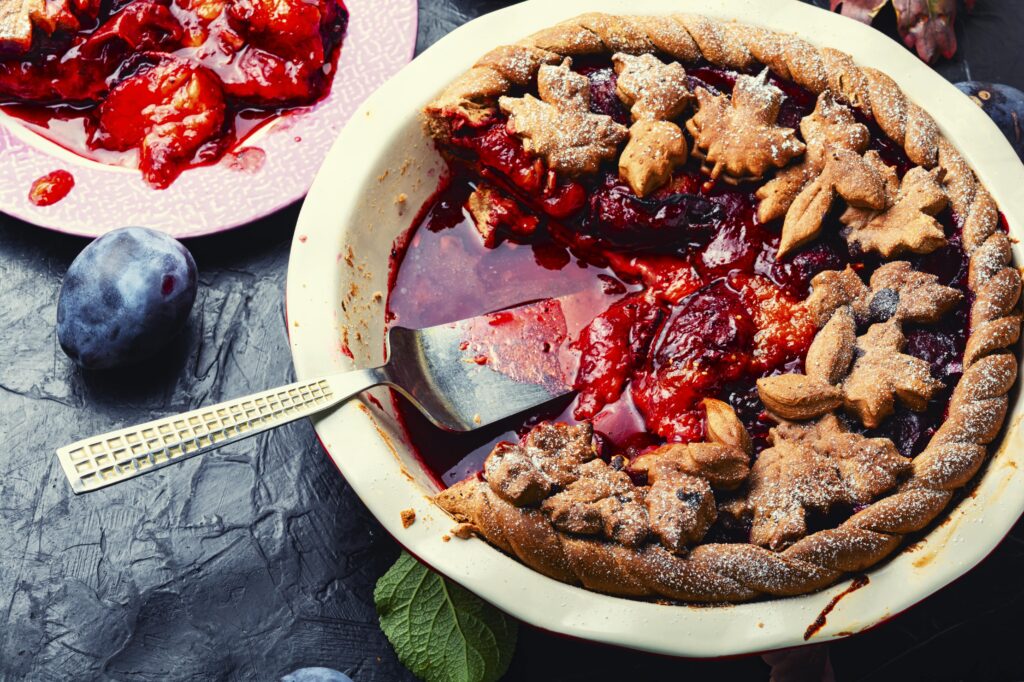
Creating a cake for a special occasion requires more attention to detail than making an everyday cake. Special occasion cakes are often used to celebrate milestone events and therefore must be designed with care and creativity. These cakes are typically much more elaborate than regular everyday cakes and may include intricate designs, multi-tiered layers, or vibrant colors. Additionally, special occasion cakes often require more precise measurements and instructions in order to produce the desired result.
When baking a special occasion cake, it is important to use high quality ingredients that will deliver the best flavor and texture possible. Bakers should also take extra care when measuring each ingredient as small changes can make a big difference in the final product. Furthermore, since these cakes may require additional decorations such as fondant or frosting, it’s important to follow instructions closely in order to achieve the desired look. Lastly, special occasions cakes should be presented beautifully so that they can impress guests at any event!
No matter what the occasion, a special occasion cake should be made with love and attention to detail. With the right ingredients and techniques, you can create a stunning cake that will leave your guests in awe! Now, let’s take a closer look at how to decorate your vegan and gluten-free birthday cake to make it even more special.
Ideas for Decorating Your Vegan & Gluten-Free Birthday Cake
A vegan and gluten-free birthday cake can be a delicious and beautiful addition to any special occasion. To ensure the cake is both aesthetically pleasing and delicious, there are some steps that should be taken when decorating it.
Begin by selecting a moist, flavorful cake recipe. A vegan or gluten-free chocolate cake is always a crowd pleaser, but if you’re feeling adventurous, try experimenting with different flours or spices to make the cake even more unique. Once you’ve decided on a recipe, gather your ingredients and prepare the batter according to instructions.
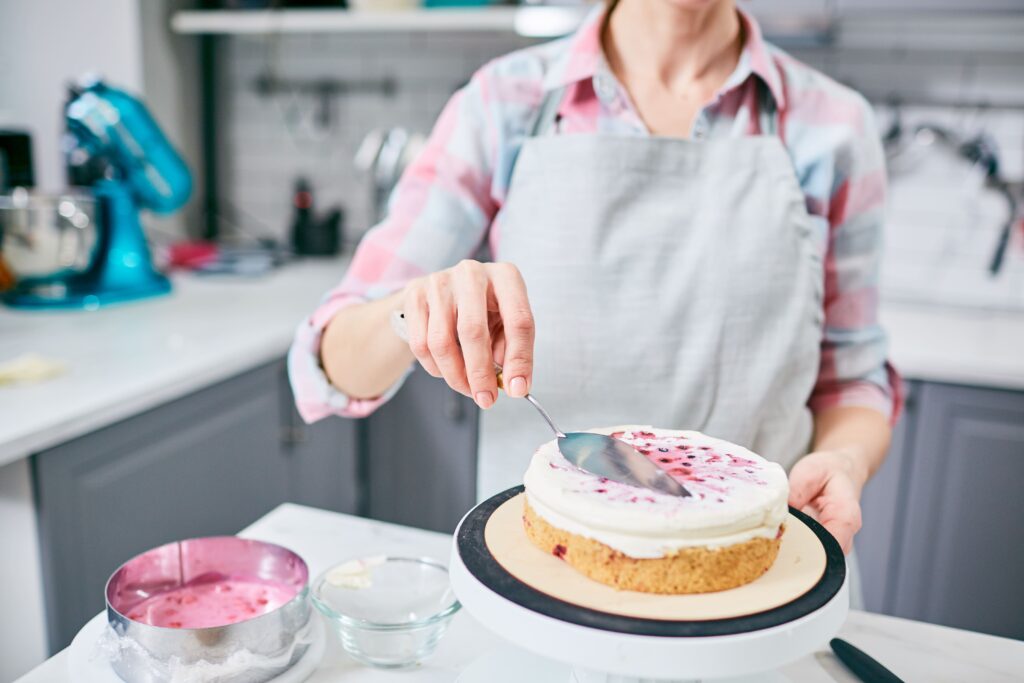
Next, it’s time for decoration! You can use traditional frosting made with powdered sugar, coconut sugar or vegan margarine as well as dark chocolate ganache or fruit purees to make vibrant colors. For an extra special touch, consider adding edible flowers or fresh fruits on top of the cake. If you want something even more striking, create two layers of cake and use plastic wrap between them in order to achieve a multi-tiered effect. Finally, don’t forget to add candles and sparklers for an extra celebratory touch!
With these tips in mind, you can create a stunning vegan and gluten-free birthday cake that will make any celebration even more memorable!
By following the steps outlined above, you can now create a vegan and gluten-free birthday cake that will make any celebration even more special. Now let’s take it one step further and learn how to store your finished cake so that it stays fresh and delicious!
Storing Your Finished Cake to Keep it Fresh
Once your vegan and gluten-free birthday cake is finished and decorated, it’s important to store it correctly in order to keep it fresh and delicious. To do this, use an airtight container and place the cake in a cool, dry place away from direct sunlight. For larger cakes like multi-tiered ones, wrap each layer individually with plastic wrap before putting them in the container. You can also freeze the layers for up to three months if you’re not serving them right away.
When you’re ready to serve the cake, allow it to thaw until room temperature before taking it out of the container. If necessary, re-frost any areas that may have been damaged while moving or storing the cake. Place it on a cake board or stand before serving so that your guests can enjoy your beautiful creation! With these simple steps, your vegan and gluten-free birthday cake will stay fresh and delicious – no matter how much time has passed since its creation!
By following the steps outlined above, you can be sure that your vegan and gluten-free birthday cake will stay fresh and delicious. So go ahead and create your own masterpiece – your guests will be sure to love it! Now let’s move on to examining the conclusion of this article…
Conclusion
In conclusion, vegan and gluten-free birthday cakes are not only delicious but also a great way to accommodate dietary restrictions and allergies. With a bit of creativity and experimentation, you can create a cake that is both visually appealing and scrumptious. Don’t be afraid to try new recipes and ingredients, and always remember to communicate with the person celebrating their birthday to ensure that their cake is everything they want it to be. Whether you choose to make your own cake or purchase one from a bakery, there are plenty of options available to make a celebration extra special for everyone involved. Happy baking and happy birthday!