Are you looking for a delectable treat that is both gluten-free and delicious? Look no further! In this article, we will dive into the world of gluten-free sponge cakes, revealing the secrets to creating a light and fluffy cake that will satisfy even the most discerning taste buds.
For those with dietary restrictions, finding desserts that meet your needs can be a challenge. That’s where gluten-free sponge cakes come in. Whether you adhere to a gluten-free lifestyle out of necessity or choice, these cakes are the perfect solution to your cravings.
What Are Sponge Cakes?
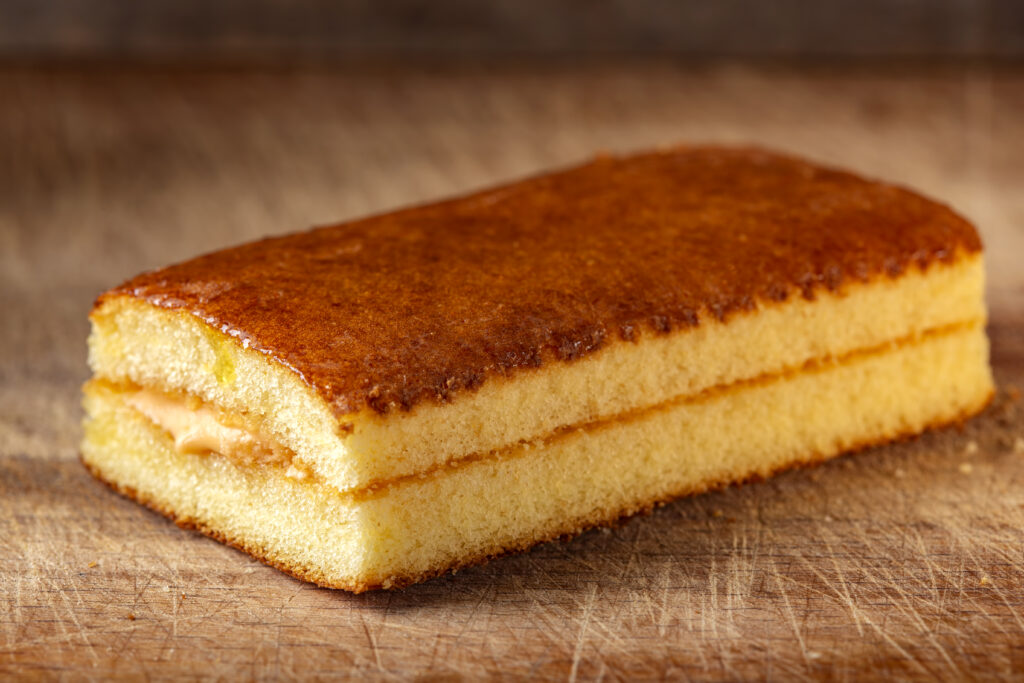
Sponge cakes are a type of light and airy cake that is loved by many for its fluffy texture and versatility in flavors. Unlike butter cakes or pound cakes, sponge cakes rely on whipping eggs to create their structure, which gives them a delicate and springy crumb. What sets sponge cakes apart is their ability to absorb syrups, fillings, and toppings, making them perfect for layer cakes or even simple slices of cake enjoyed with a cup of tea or coffee.
With the increasing popularity of gluten-free diets, many variations of traditional sponge cakes have been developed using gluten-free flour blends and alternative ingredients. These gluten-free sponge cakes allow people with dietary restrictions to enjoy this classic dessert without compromising on taste or texture. So, whether you are hosting a birthday celebration or simply craving a moist and spongy treat, gluten-free sponge cakes are sure to delight and satisfy your sweet tooth.
Wet Ingredients
To make a delicious and gluten-free sponge cake, you will need a variety of wet ingredients. These ingredients not only provide moisture but also contribute to the overall flavor and texture of the cake. Here are the key wet ingredients you will need:
1. Flax eggs: To replace regular eggs in this recipe, use flax eggs. Simply mix 1 tablespoon of ground flaxseed with 3 tablespoons of water for each flax egg. Let the mixture sit for a few minutes until it becomes gel-like.
2. Dairy-free milk with apple cider vinegar: Choose a dairy-free alternative like almond milk, rice milk, or coconut milk. Adding a teaspoon of apple cider vinegar to the milk mimics the acidity of buttermilk and helps to activate the raising agents.
3. Vanilla extract: A few teaspoons of vanilla extract will add a delightful aroma and flavor to the cake.
4. Coconut oil: Use melted coconut oil as a healthy and dairy-free substitute for butter. It provides moisture and richness to the cake.
By incorporating these wet ingredients, you’ll achieve a fluffy and moist gluten-free sponge cake that everyone can enjoy.
Dry Ingredients
When it comes to making gluten-free and delicious sponge cakes, the choice of dry ingredients is crucial. These ingredients not only provide structure to the cake but also contribute to its texture and flavor. Let’s explore the purpose and function of each dry ingredient in detail:
1. Sweet Rice Flour: This gluten-free flour is made from ground sweet rice and is a great alternative to wheat flour. It adds a slightly sweet flavor and helps in achieving a light and fluffy texture.
2. Millet Flour: Another gluten-free flour, millet flour, is derived from the seeds of the millet plant. It lends a delicate and nutty flavor to the cake while providing a moist crumb.
3. Oat Flour: Made from ground oats, oat flour is both nutritious and gluten-free. It adds softness and moistness to the cake, making it an excellent choice for sponge cakes.
4. Baking Powder: This leavening agent is essential for creating a light and airy sponge cake. It helps in the rise and fluffiness of the cake by releasing carbon dioxide gas when combined with liquid.
5. Salt: Although a small amount, salt plays a vital role in balancing the flavors of the cake and enhancing the overall taste.
By using a combination of these gluten-free flours and the necessary leavening agent, you can create a moist and fluffy sponge cake that is just as delicious as its wheat-based counterpart. So, let’s gather our dry ingredients – sweet rice flour, millet flour, oat flour, baking powder, and a pinch of salt – and get ready to bake a delightful gluten-free sponge cake.
Common Allergens in Cake Making
When it comes to cake making, it’s important to be mindful of common allergens that many people may have dietary restrictions or sensitivities to. Some of the most common allergens in cake making include wheat, dairy, eggs, and gluten.
Wheat is a common allergen for those with gluten sensitivities or celiac disease. Thankfully, there are many gluten-free flour alternatives available, such as coconut flour or a flour blend made with tapioca flour, rice flour, and almond flour.
Dairy allergies can be accommodated by using non-dairy milk alternatives like coconut milk, almond milk, or rice milk. Additionally, coconut oil or olive oil can be used instead of butter.
Eggs are another common allergen, but they can be easily substituted in cake recipes. One popular option is using unsweetened applesauce or mashed bananas as an egg substitute. There are also commercial egg replacers available.
Lastly, gluten is a protein found in wheat, barley, and rye. Gluten-free flours and baking powder without gluten additives can be used to ensure the cake is gluten-free.
By being mindful of these common allergens and making simple substitutions, you can create delicious cakes that cater to various dietary restrictions and still taste amazing.
Flour Blends Used in Gluten-Free Cakes
When it comes to baking gluten-free cakes, choosing the right flour blend is essential. Thankfully, there are several options available that can yield delicious and fluffy cakes without gluten.
One popular flour blend for gluten-free cakes is made with tapioca flour, rice flour, and almond flour. This combination provides a good texture and taste. Tapioca flour acts as a binder, rice flour adds lightness, and almond flour contributes moisture and flavor.
Another option is a blend of coconut flour and almond flour. Coconut flour is highly absorbent, so it’s important to use it in combination with other flours. Almond flour adds richness and moisture, resulting in a delicious cake.
For those who prefer a ready-made blend, there are gluten-free all-purpose flour blends available on the market. These blends are usually a combination of several gluten-free flours, such as rice flour, tapioca flour, and potato starch. They are convenient and versatile, making them a great choice for gluten-free baking.
Remember, when using flour blends in gluten-free cakes, it’s important to add a leavening agent like baking powder to ensure proper rising. This will help achieve a light and airy texture, just like traditional cakes made with wheat flour.
Experiment with different flour blends to find your favorite, and enjoy your gluten-free cake creations!
Making the Sponge Cake
Making the perfect sponge cake requires careful measurement of ingredients to ensure a successful result. Start by preheating the oven to the required temperature and preparing the cake tin by greasing and lining it with parchment paper.
In a mixing bowl, combine the dry ingredients, which can be a flour blend of your choice or a combination of coconut flour and almond flour. Measure and add the wet ingredients such as coconut milk, almond milk, or non-dairy milk, along with a liquid sweetener like unsweetened applesauce or olive oil. Add flavorings like vanilla extract and mix until well combined.
It’s important to use the right type of mixing bowl for sponge cakes. A large mixing bowl with enough room for the batter to expand is recommended. Avoid using a metal bowl as it can affect the texture of the cake. Instead, opt for a glass or ceramic bowl.
Once the batter is well mixed, pour it into the prepared cake tin and smooth the top with a spatula. Bake in the preheated oven for the recommended time or until a toothpick inserted into the center comes out clean.
Allow the cake to cool completely before removing it from the tin. Once cool, you can slice the cake and fill it with your desired filling, such as strawberry jam, icing sugar, or a dairy-free alternative.
Baking the Sponge Cake
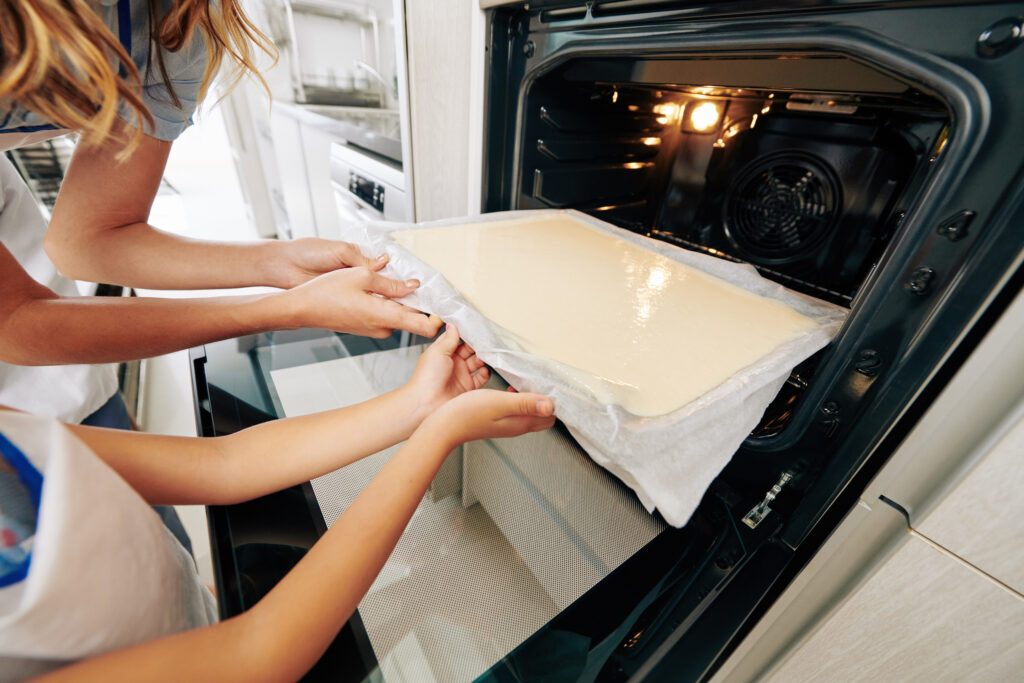
To bake the sponge cake, preheat your oven to the recommended temperature as specified in your chosen cake recipe. Make sure your oven is properly preheated and ready for baking.
Once the cake batter is prepared and poured into the cake tin, place the tin in the center of the preheated oven. This ensures even heating and baking of the cake.
Bake the cake for the recommended time as indicated in your recipe. A toothpick inserted into the center of the cake should come out clean or with a few moist crumbs. This is a good indicator that the cake is done. If the toothpick comes out with batter on it, continue baking for a few more minutes and test again.
When the cake is done, carefully remove it from the oven and place it on a heat-resistant surface. Allow it to cool completely in the cake tin before attempting to remove it.
Once the sponge cake has cooled, transfer it to a serving plate or store it in an airtight container. To maintain its freshness and moisture, you can place a layer of plastic wrap or parchment paper over the cut surface before storing.
Enjoy your gluten-free and delicious sponge cake on its own or with your favorite fillings and toppings. Whether it’s for a birthday celebration or a cozy afternoon tea, this moist and fluffy coconut and almond flour sponge cake is sure to satisfy your cake cravings.
CONCLUSION
Sponge cakes can be made gluten-free and still taste delicious! With the right ingredients and techniques, anyone can make a tasty treat that accommodates dietary restrictions. Whether you’re a beginner or an experienced baker, following the steps outlined in this article will help you create a scrumptious sponge cake.